


School of Jewellery Arts


Project Details
Location
Shanghai
Industry
Education
Description
Transforming a Historic Mansion into a Modern Educational Space
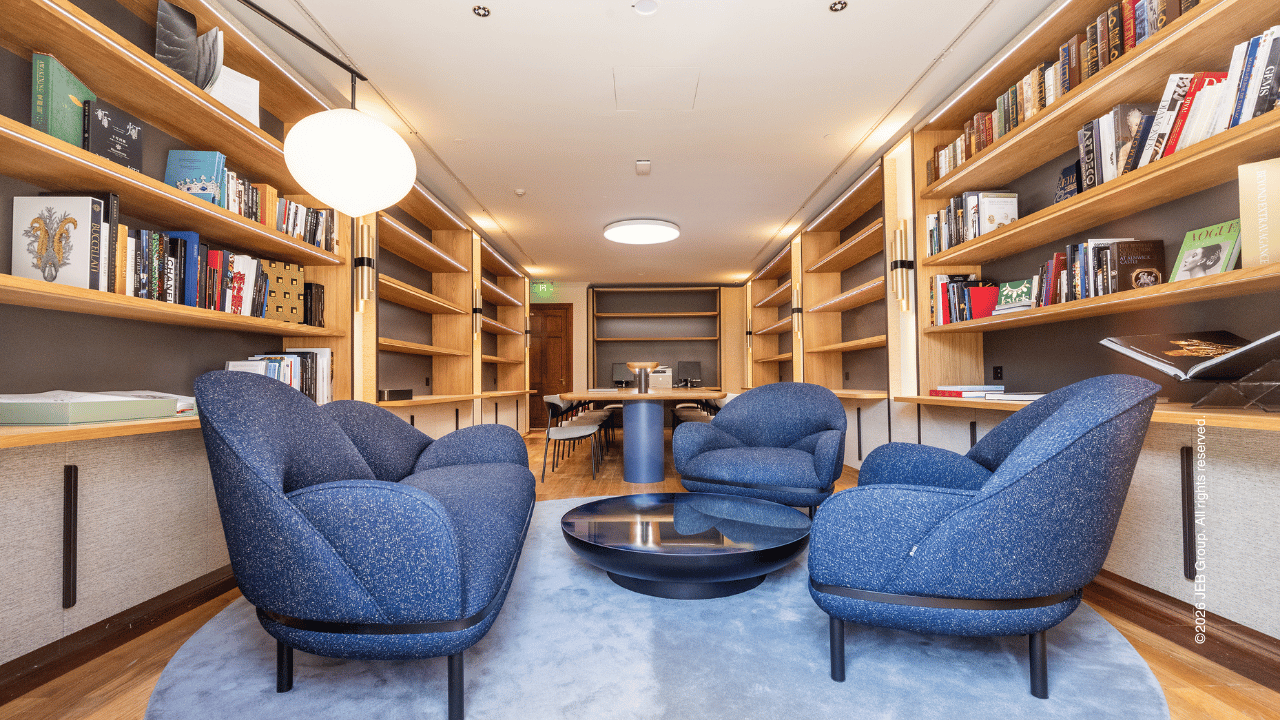
As the demands on educational institutions evolve, designers are constantly challenged to create environments that honor historical architecture while supporting contemporary educational institutions that require flexibility, comfort, and sustainability. A School of Jewellery Arts in Shanghai, is based on a 2000-sqm. campus, spanning four stories across two buildings and a beautiful garden. This stunning neoclassical mansion serves not only as an educational hub with lecture rooms and design workshops, but also as a cultural destination, with public exhibition spaces and a library featuring hundreds of publications. This case study explores how intentional curation of spatial and furniture solutions transformed the historic property into an engaging, and functional environment.
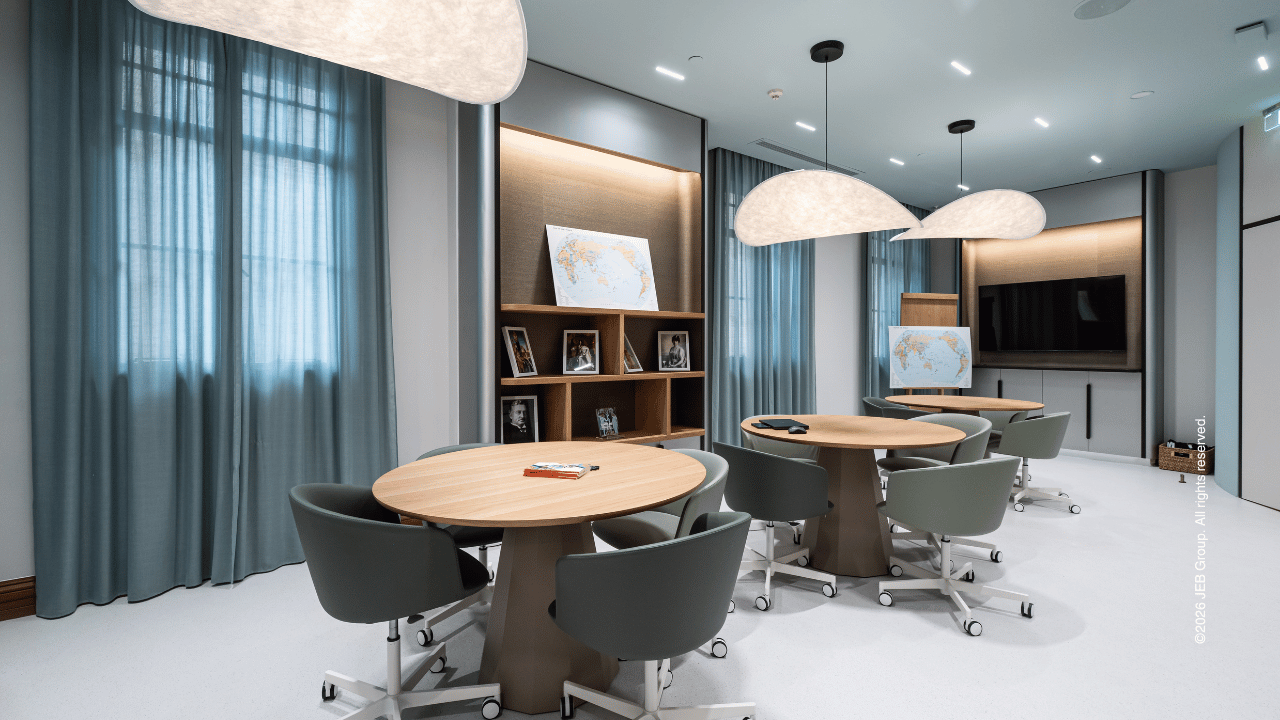
The Challenge: Heritage Educational Spaces
Converting a neoclassical mansion into a modern school, fit for jewellery arts, presented a multi-layered design complexity. The spaces needed to accommodate diverse activities, from workshops to lectures to public exhibitions, while preserving the building’s historic architecture and meeting sustainability guidelines. In educational environments today, they must also support varying levels of conversation, from individual study to group collaboration, without compromising comfort or the brand’s ethos.
Key challenges:
- Balancing the preservation of the historic building with modern functionality and flexibility.
- Creating comfortable and inspirational spaces suitable for both intensive creative work and public engagement.
- Meeting sustainability goals in spatial and furniture solutions.
- Catering to diverse user groups, from students and faculty to jewellery enthusiasts and visitors, in a welcoming environment.
The Solution: Customized Furniture Solutions
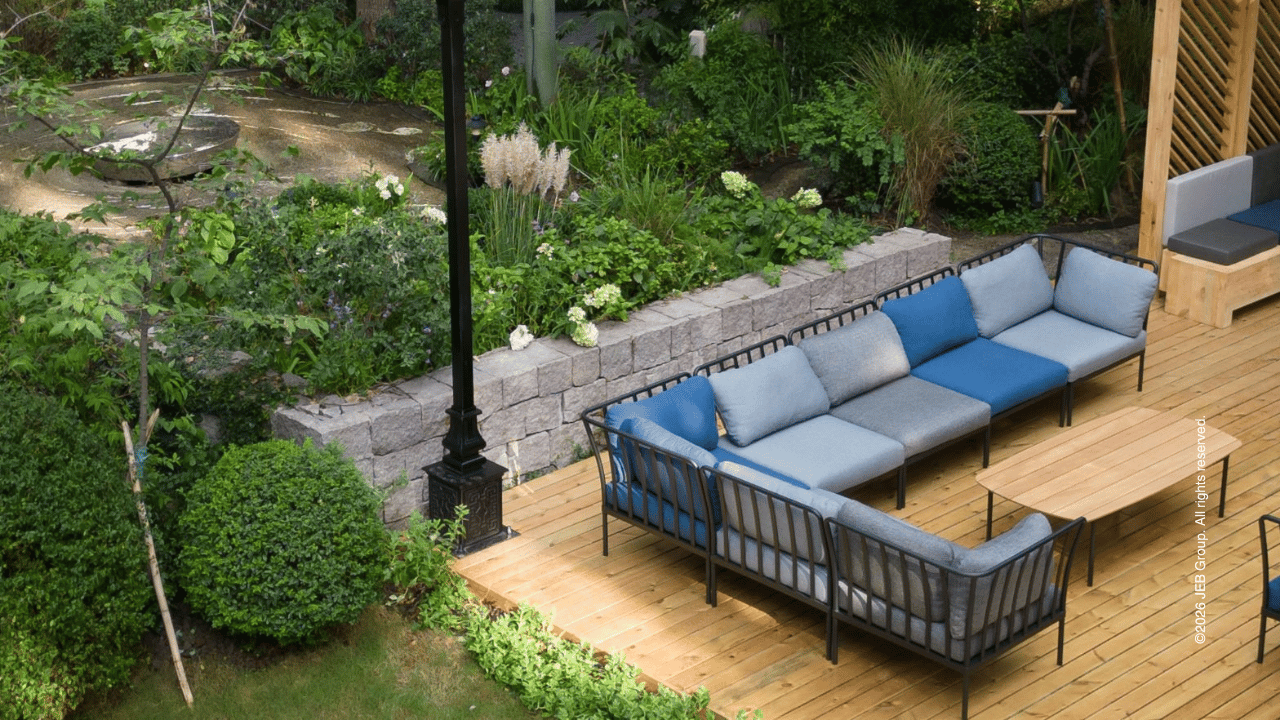
JEB Group began this project by understanding the client’s educational mission, sustainability commitment, and the unique constraints of the historic environment. Rather than a one-size-fits-all approach, the team curated a comprehensive collection of furniture that integrates seamlessly with the heritage architecture while supporting the varied needs of the school. By combining carefully selected outdoor, loose, and system furniture from renowned international brands including Vitra, Andreu World, Kvadrat, Lacividina, Lapalma, and Lexta. Each choice was evaluated for functionality, durability, aesthetic harmony, and environmental performance, resulting in spaces that feel refined yet welcoming.
Project highlights:
- Loose and system furniture selected to support both instructional and hands-on creative activities, offering flexibility for different teaching formats.
- Thoughtfully chosen pieces that enhance comfort while maintaining an elegance for displaying jewellery and publications.
- Outdoor furniture that extends the campus experience into the surrounding gardens, creating additional areas for learning and visitor engagement.
- Every element was chosen to respect the neoclassical details while delivering modern comfort and sustainability.
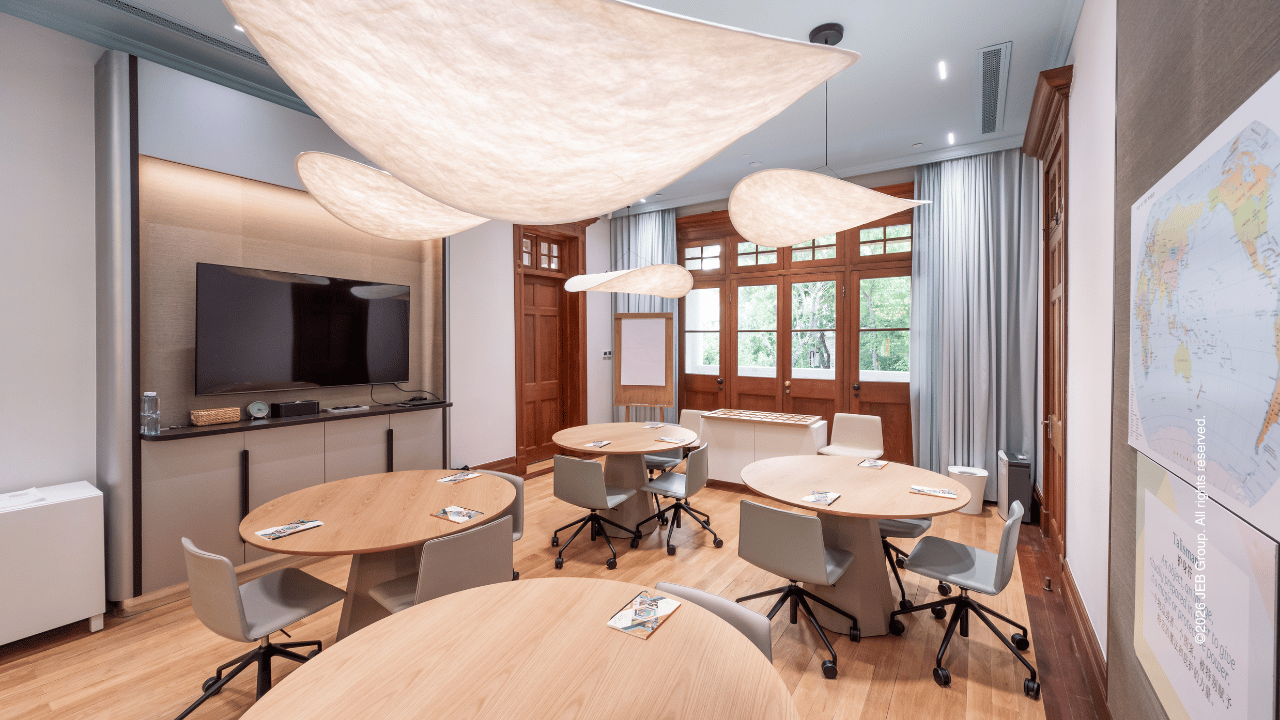
Intentional Spatial Curation
Every furnishing element specified for this beautiful, historic campus serves a deliberate functional purpose. The main goal achieved was delivering exceptional durability and ergonomic comfort without sacrificing the historical integrity of the neoclassical mansion.
| Architectural Component | Specification Detail | Operational Benefit |
| Loose & System Furniture | Collection of Vitra, Andreu World, Kvadrat, Lacividina, Lapalma, and Lexta | Highly adaptable configurations that easily transition between lectures, public exhibitions, and workshops. |
| Outdoor Furniture | Weather-Resistant Furniture Solutions | Extends the functional educational footprint into the outdoors, providing comfortable areas for visitor engagement and open-air learning within the surrounding gardens. |
JEB’s Design Takeaway
Successful educational environments across historical properties are built on adaptability. By engineering spatial and furniture solutions that balance performance, flexibility, and sustainability, historic campuses can actively support both focused, intensive design work and public exhibitions on the exact same campus.
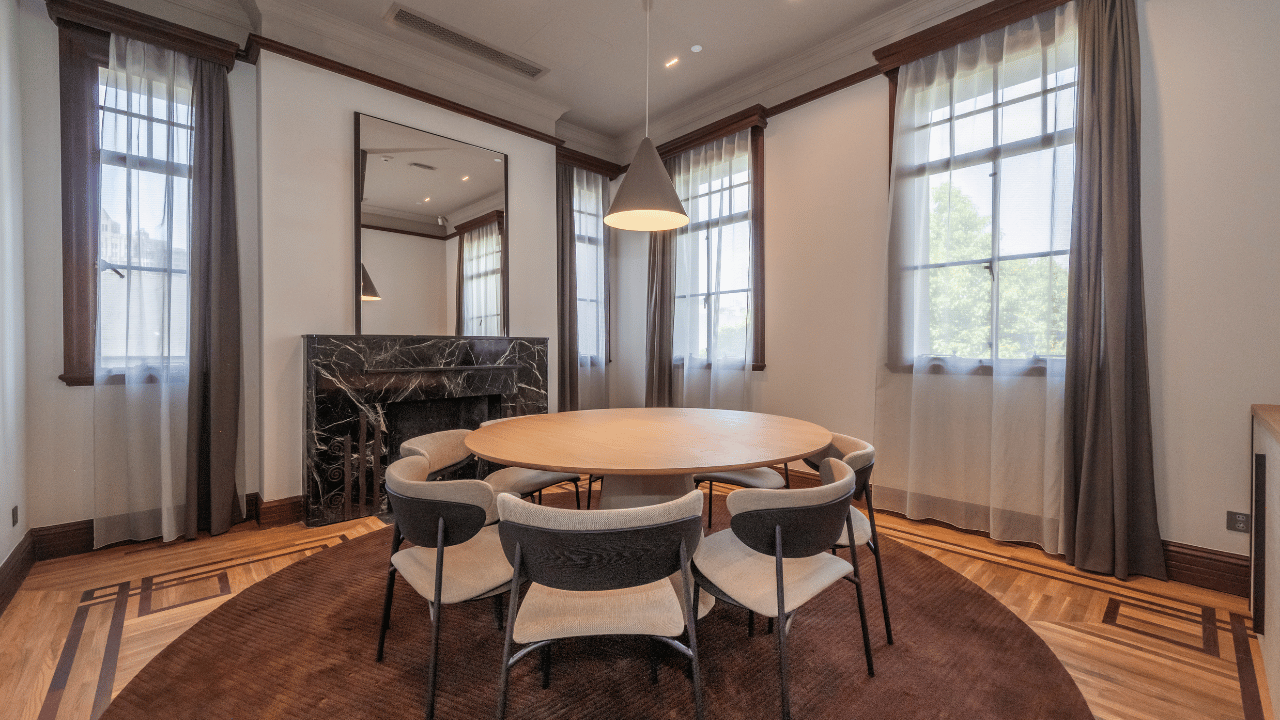
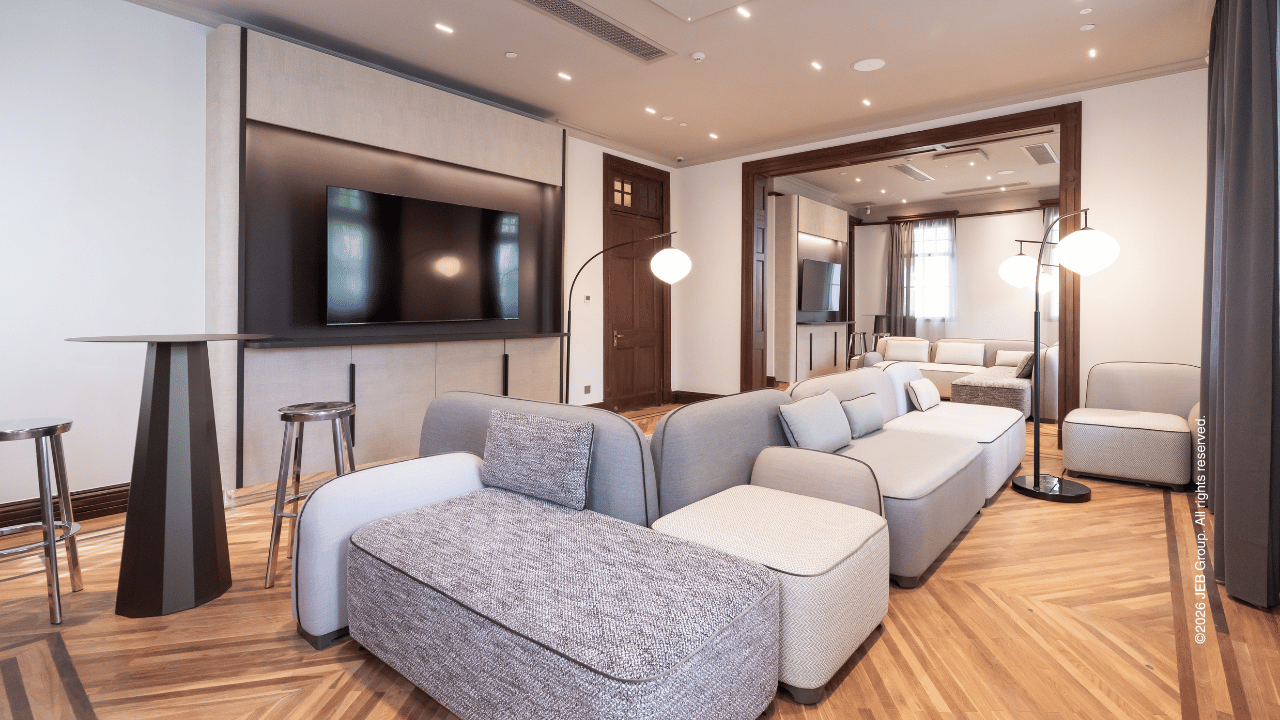
Balancing Heritage & Modernity
The Shanghai Jewellery company project demonstrates how a deep understanding of both heritage and modernity can result in environments that are beautiful, sustainable, and highly effective. By balancing performance and aesthetics, such solutions enhance the user experience while honoring the spirit of the place. JEB brings this same thoughtful expertise to projects across Asia, the UK, Europe, and North America.
Connect with our team to elevate your next office project.
Related Projects
Giordano HK

Leading Finance Office, Hong Kong

UOW College

Gaming Software and Venture Company

Herbert Smith Freehills

Hong Kong International Airport's Terminal 1

Changjiang Securities

Venture Capital and Private Equity Principals Firm

Private Capital

IPSEN

Global Investment Firm

Lululemon Office Hong Kong
